Archeology
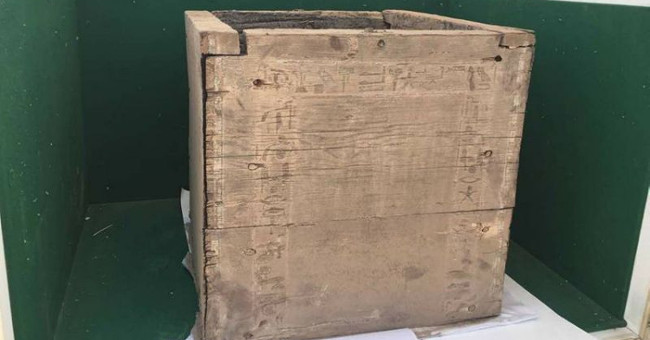
Egypt discovered the tomb of a 3,700-year-old royal princess
Egyptian officials announced on May 11 that a grave site believed to be owned by the pharaoh's daughter who owns a pyramid recently discovered.
Browse ScienceInfo articles and explainers related to Ancient Egypt.
268 published items.
Egyptian officials announced on May 11 that a grave site believed to be owned by the pharaoh's daughter who owns a pyramid recently discovered.
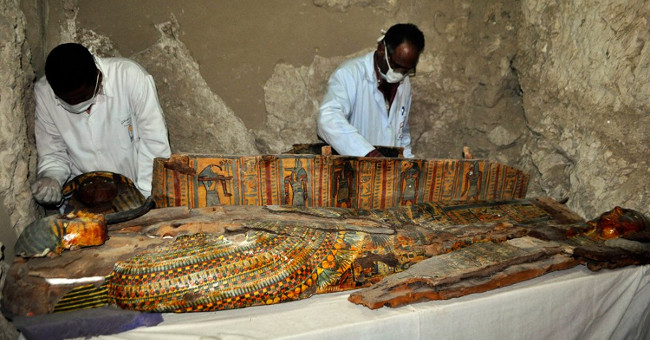
According to a reporter in Cairo, Egyptian archaeologists on April 18 announced new discoveries about an intact ancient tomb dating back more than 3,500 years to the 18t…
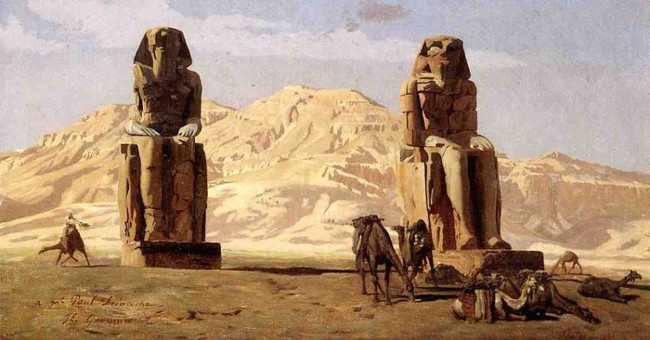
On March 9, archaeologists discovered two pharaoh statues dating back more than 3,000 years in a suburb of Cairo's Egyptian capital.
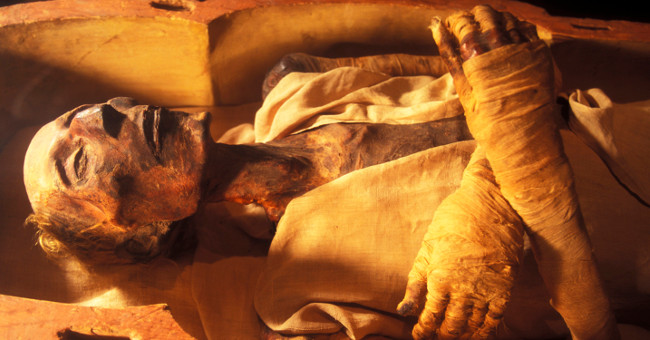
Over the centuries, many Egyptian mummies are quite intact with many unexpected secrets that have been decoded by experts.
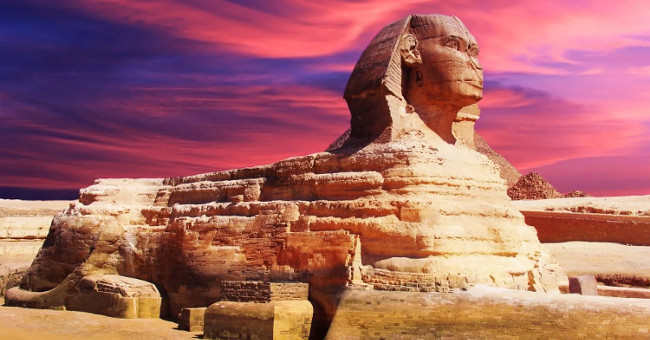
The Sphinx on the Giza plateau symbolizes a lion's head creature, protecting the Egyptian pharaoh's tomb.
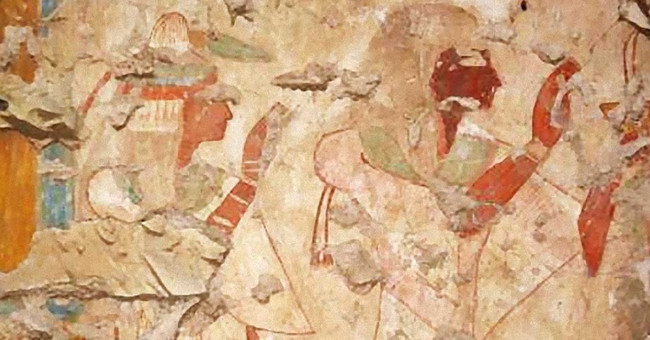
The ornate tomb of a royal scribe who lived more than 3,000 years ago was found in Luxor, Egypt.
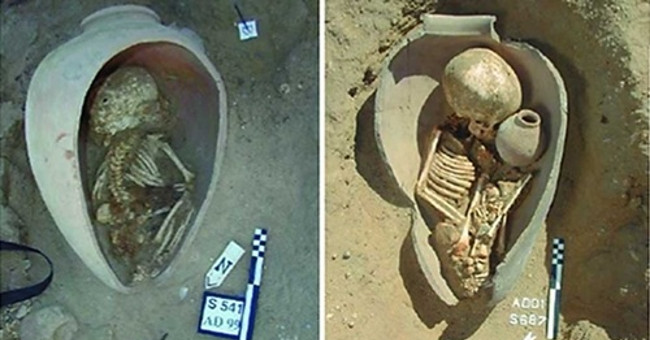
The custom of burying the dead in the pottery of ancient Egypt symbolizes rebirth in the afterlife.
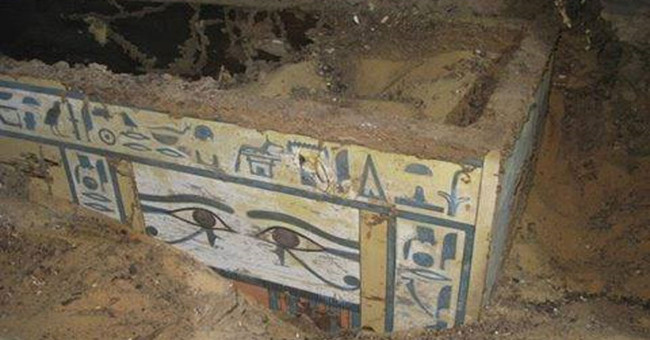
2016 is the year marking many interesting discoveries for ancient Egyptian civilization, from the mysterious tattoo on mummy skin to the pyramid protection machine.

The Egyptian Antiquities Ministry said the country has excavated a 7,000-year-old city (which belongs to the first dynasty of the Nile civilization) in Sohag province.
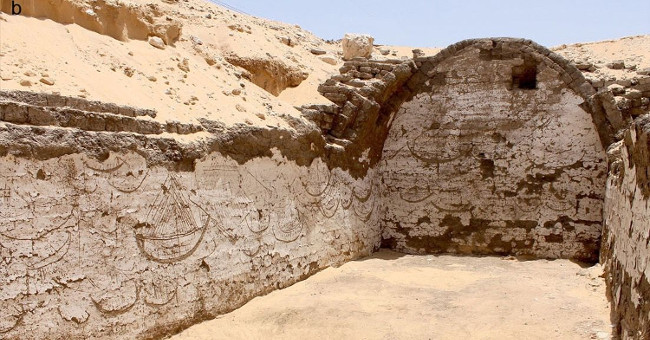
Scientists have discovered many characters describing ships preparing to go to sea, the Mirror reported.
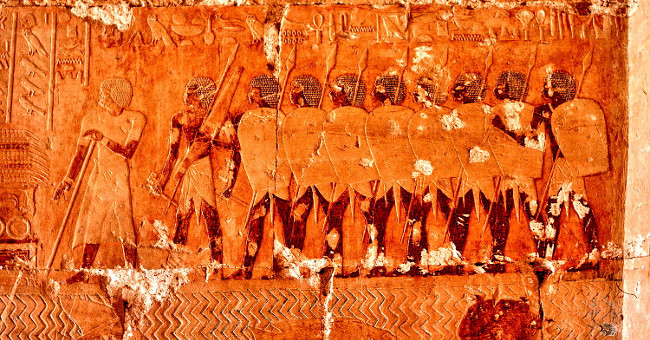
Everyone knows that ancient Egypt was a great civilization cradle, but its origin lies elsewhere.
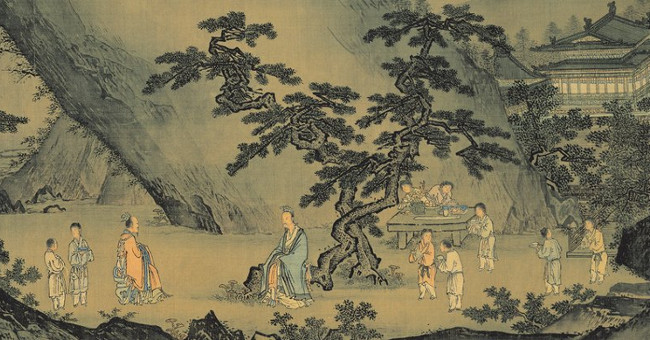
A well-known scientist has elicited a heated debate online when claiming that the founders of Chinese civilization are not Chinese, but immigrants from Egypt.

After choking death due to overeating, the cut bird is embalmed and can be used as a sacrifice to give to the gods.

Scientists rediscover the identity of the woman, and she helps scientists push the limits of science and technology.
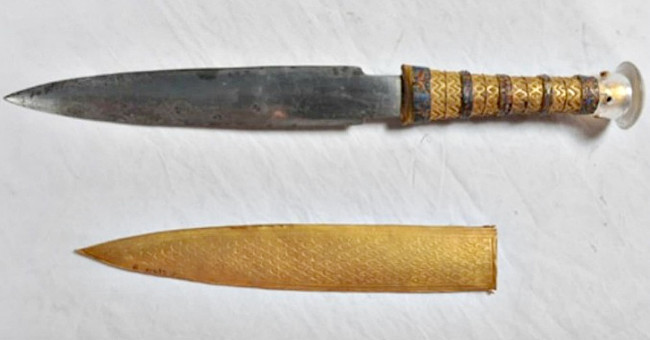
Ancient Egyptians made iron daggers from meteorites instead of natural ore because they considered meteors to be sacred phenomena filled with power.